
7 Tips for Purchasing Construction Equipment Parts Without the Downtime
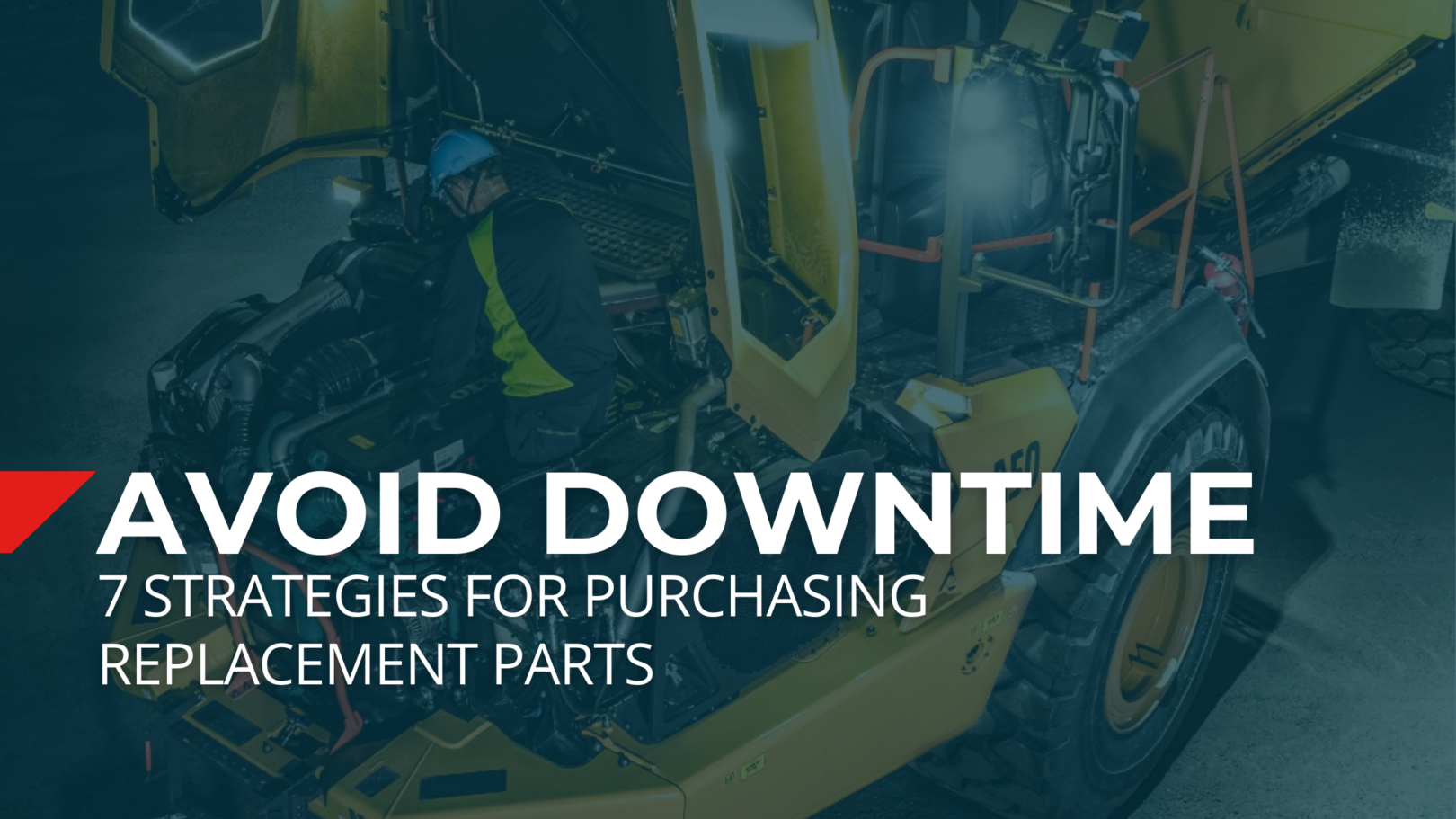
Purchasing construction equipment parts is a critical aspect of maintaining business operations, especially when facing long lead times or the challenge of sourcing discontinued components. By following best practices, you can save costs, improve efficiency, and avoid costly downtime. One way to stay ahead is by understanding how timing affects equipment performance and planning replacements proactively.
Here are seven tips for purchasing replacement parts:
1. Work with a Dealer Who Knows Your Equipment Parts Need
Partnering with an authorized dealer ensures access to parts that are guaranteed to fit, meet OEM specifications, and protect your machine’s warranty. Beyond just supplying parts, experienced dealer teams offer technical support, faster sourcing, and a deeper understanding of your fleet — all of which translate to less downtime and better performance.
2. Evaluate Cost vs. Quality and Understand Warranty Impacts
Balancing cost and quality is crucial. While lower-priced parts may seem attractive, sacrificing quality can lead to increased downtime and higher long-term costs. It’s also important to factor in how your parts choices affect your equipment’s warranty. Many OEM warranties include stipulations that require using approved or OEM-certified parts for certain components to remain compliant. In some cases, using unapproved aftermarket parts could void the warranty and leave you responsible for major repair costs if a larger failure occurs.
Consider the differences between OEM, aftermarket, and remanufactured parts. Remanufactured parts, for example, are rebuilt to OEM specifications and may be warranty-compliant, offering significant savings without compromising performance. We always recommend weighing the initial cost against long-term reliability, warranty terms, and parts availability.
3. Prioritize the Availability of Heavy Equipment Parts to Reduce Downtime
Parts availability should always be a top priority to minimize downtime. Work with suppliers who offer real-time inventory tracking or the ability to reverse engineer hard-to-find or discontinued parts. This ensures you can quickly source what you need and keep your operations running smoothly.
4. Consider Custom Solutions and Interchangeable OEM Parts
When standard parts are unavailable or discontinued, you’re not out of options. In many cases, parts from other OEMs may be compatible with your equipment, especially for common components like filters, belts, and electrical systems. Working with a knowledgeable dealer can help identify these interchangeable parts, saving time and cost without sacrificing quality or performance.
When no direct replacement exists, custom solutions become invaluable. Suppliers with reverse engineering capabilities can recreate unique or obsolete components to OEM specifications, ensuring the continued operation of your equipment. Custom or engineered parts are especially beneficial for specialized machinery or when upgrading older systems.
5. Ensure Your Construction Equipment Parts Meet Quality Standards
Ensure your vendors meet critical industry certifications, such as ISO certification. Certified suppliers adhere to rigorous quality and compliance standards, reducing the risk of faulty or non-compliant parts entering your supply chain.
6. Build Long-Term Relationships
Developing strong partnerships with trusted suppliers leads to better service, pricing, and support over time. Long-term relationships can result in priority service, access to exclusive deals, and improved communication. Maintain these relationships by providing regular feedback, honoring agreements, and collaborating on solutions to challenges.
7. Plan Ahead to Minimize Equipment Downtime and Avoid Costly Delays
Proactive inventory management helps you avoid urgent, last-minute purchases that can be costly and disruptive. Use tools like real-time tracking systems or conduct regular inventory audits to keep stock levels optimal and anticipate future needs. Implementing a planned maintenance contract can also ensure timely replacement of parts and reduce the risk of unexpected failures.
Final Thoughts
Effective replacement part procurement goes beyond just filling an order, it’s about ensuring long-term reliability, minimizing downtime, and protecting your bottom line. By working with trusted vendors, planning ahead, and considering custom or certified solutions when needed, your team can turn procurement into a strategic advantage rather than a reactive expense.
For more expert tips on keeping your equipment in top shape, check out 7 Steps to Maximize Heavy Equipment Longevity from Volvo Construction Equipment.
Ascendum Machinery is more than a parts supplier, we’re your equipment partner. With access to $16 million in OEM parts and high-quality aftermarket parts, expert technicians, and fast turnaround times, we help you minimize downtime and maximize performance.
Need a replacement part or expert advice?
Get in touch with us today to get exactly what you need — fast.