


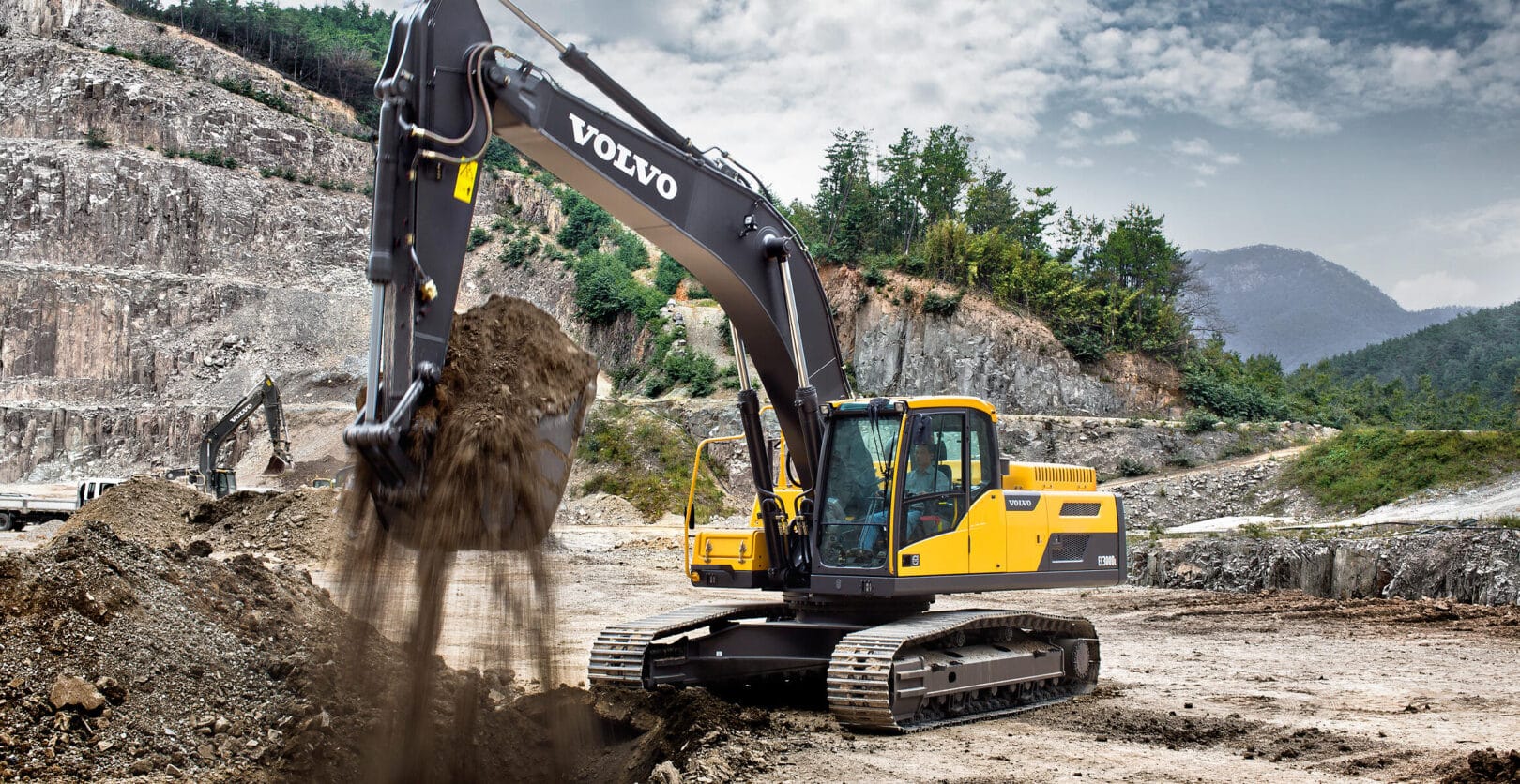
Excavator Safety Best Practices: Tips for Protecting Operators and Ensuring Safe Operations
Earthmoving and construction projects can create hazardous situations if proper safety measures aren’t implemented. To maintain productivity while minimizing accidents on the job, it’s crucial to these essential tips and best practices for excavator safety. From conducting thorough inspections and managing diesel fuel levels to selecting appropriate attachments, avoiding undercutting, maintaining proper track position, respecting working load limits, and ensuring safe distances during trench work, these guidelines will help create a safer work environment for all personnel involved in excavation projects.
Essential Ground Inspection for Safe Operations
Before starting each shift, it’s vital to conduct a thorough inspection of the ground for safe excavator operations. Check for hazards such as holes, loose soil, steep inclines, debris, large rocks and stumps. Pay special attention to trench edges and ensure that the track position is secure to avoid undercutting. A large object can cause a machine to slide, and catching an edge near an incline can lead to tipping, even when the excavator is driven by an expert operator. This pre-operation inspection is crucial for both full-size and mini excavators to maintain safety and prevent accidents during excavation tasks.
Fuel Level Management for Jobsite Operations
Knowing your fuel levels is essential for excavator safety. Ensure there is enough fuel before starting work to allow the operator to dump unstable loads in emergency situations. Running out of fuel can cause the excavator to shut down unexpectedly, leading to unstable and potentially dangerous situations on the jobsite. Regular fuel checks help maintain safe and efficient operations for both full-size and mini excavators.
Selecting Compatible Excavator Attachments
One of the most important excavator tips is to select compatible attachments. Before purchasing an attachment, consult your operator manual to ensure compatibility with your machine’s specifications and working load limits. Selecting the appropriate attachment for your excavator helps prevent accidents and enhances operational efficiency. If you have any questions about which excavator attachment is best for your needs, our team is here to help!
Prevent Undercutting for Safeigging
Undercutting occurs when you dig beneath the tracks of your excavator ground leading to extremely unstable situations that can result in cave-ins, sliding, and tipping. To ensure safety during excavations, always stay aware of the lip of the hole being created and avoid undermining the ground beneath your tracks. This is essential to ensuring a secure working environment on the jobsite.
Maintain Proper Track Positioning on Slopes
When operating an excavator on inclines or declines, it’s crucial to watch your track position for optimal safety. Always point the tracks up and down the slope, having them parallel to the incline can lead to uneven weight distribution and increase the risk of rollover. Maintaining a stable center of gravity is essential to prevent accidents. Stay aware of the terrain and ensure that your tracks are positioned correctly to enhance stability during excavations and trenching activities. Proper track orientation not only improves safety but also maximizes the efficiency of your operations.
Never Overload Your Bucket for Safe Operations
Understanding your excavator’s load limits and never exceeding them is crucial to safety. Overloading the bucket’s capacity can lead to instability and potential tip-overs. Maintaining a proper working load limit ensures safe operations and prevents accidents on the jobsite. Always check your machine’s specifications before loading and monitor the weight of the materials being handled. By adhering to these guidelines, you can enhance safety for both operators and crew members during excavation and heavy lifting tasks.
Install Effective Trench Protection Systems
When excavations exceed five feet in depth, it is essential to install trench protective systems to ensure worker safety. One effective method is sloping and benching, which involves cutting back the trench wall at an angle to create a stable slope, and developing steps for safe access.. Another method is installing shoring and trench shields, which provide metal supports for the trench walls to help prevent cave-ins on excavation projects. Implementing these protective measures not only enhances safety but also reduces the risk of accidents on excavation sites.
Maintain a Safe Distance from Other Workers
To ensure excavator safety, operators should never dig close to other workers on the jobsite. It’s crucial for all personnel to maintain a safe distance from the excavator to avoid injuries from falling loads or debris. Additionally, keep construction materials at least two feet away from the edge of trenches to prevent them from falling into the hole. Prioritizing safe distances not only protects workers but also enhances overall site safety during excavation operations.
Have questions about excavator safety or need personalized advice? Contact our team today for tailored solutions and resources to keep your job site safe!